Behind Our First Collab Pack
What happens when two communities build something together.

If you’ve completed our Discord onboarding, you know that one of the ways we plan to grow the Final Bosu universe is through the art of licensing. Reaching millions of fans is a big endeavor, and there are many mediums and formats to explore. We can’t cover them all alone. That’s where licensing comes in. We partner with others to bring our world to new audiences while creating new experiences for our existing fans.
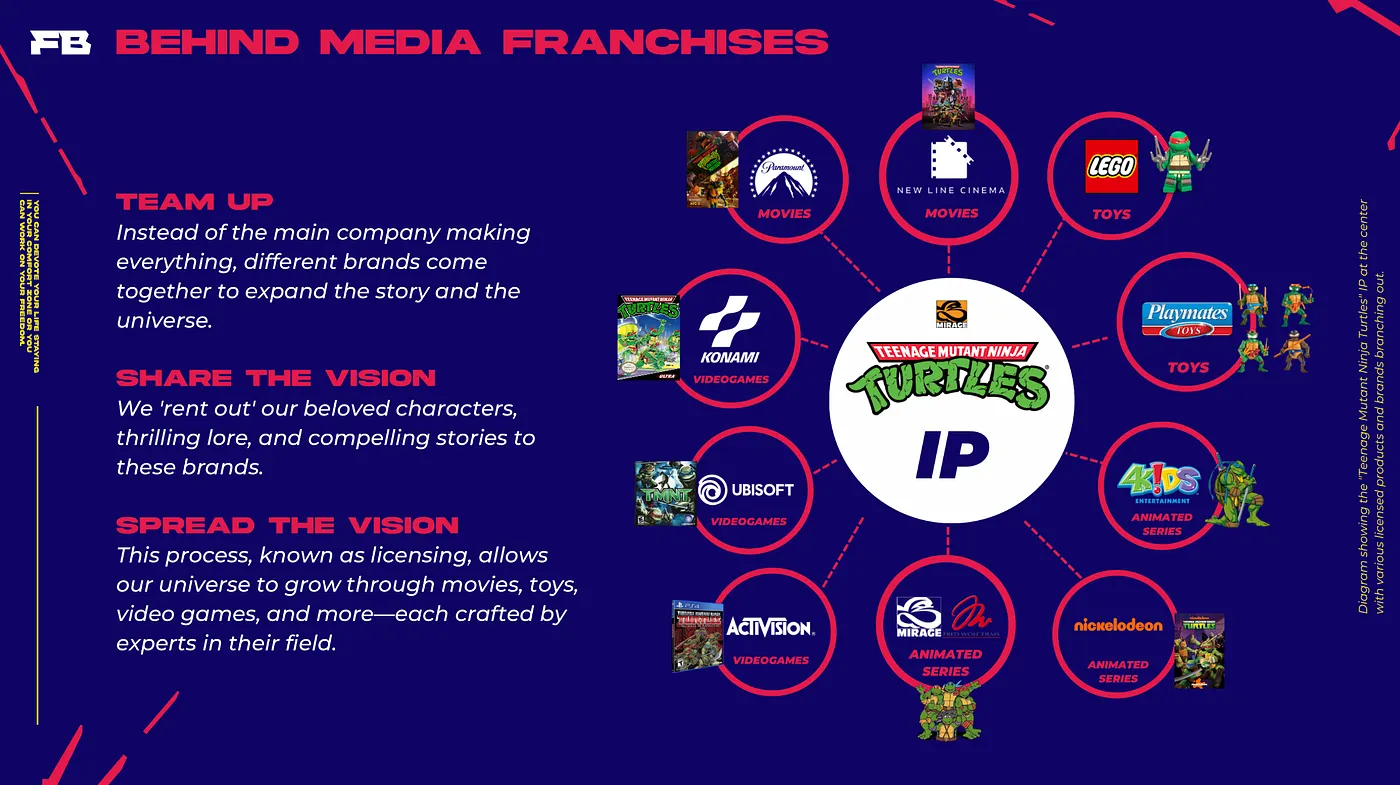
For example, look at Teenage Mutant Ninja Turtles:
Mirage Studios (the core team) created the original comic book.
Konami handled the classic video games.
New Line Cinema produced the movies.
Each specialist took the Turtles into a new medium, helping the franchise reach far more fans than Mirage could on its own.
When Chimpers approached us, we asked: how do we build a deal that feels true to both brands, not just a logo swap?
Fans rarely see the business choices behind a franchise’s growth. Yet those choices, how you license your IP, how creatively involved you stay, are what turn a project into a lasting brand. Here’s how Final Bosu × Chimpers became a story-driven collaboration, and what that means from a IP perspective.
1. World-Building as the Core Differentiator
A strong license needs more than attractive art. It needs story elements that guide every product.
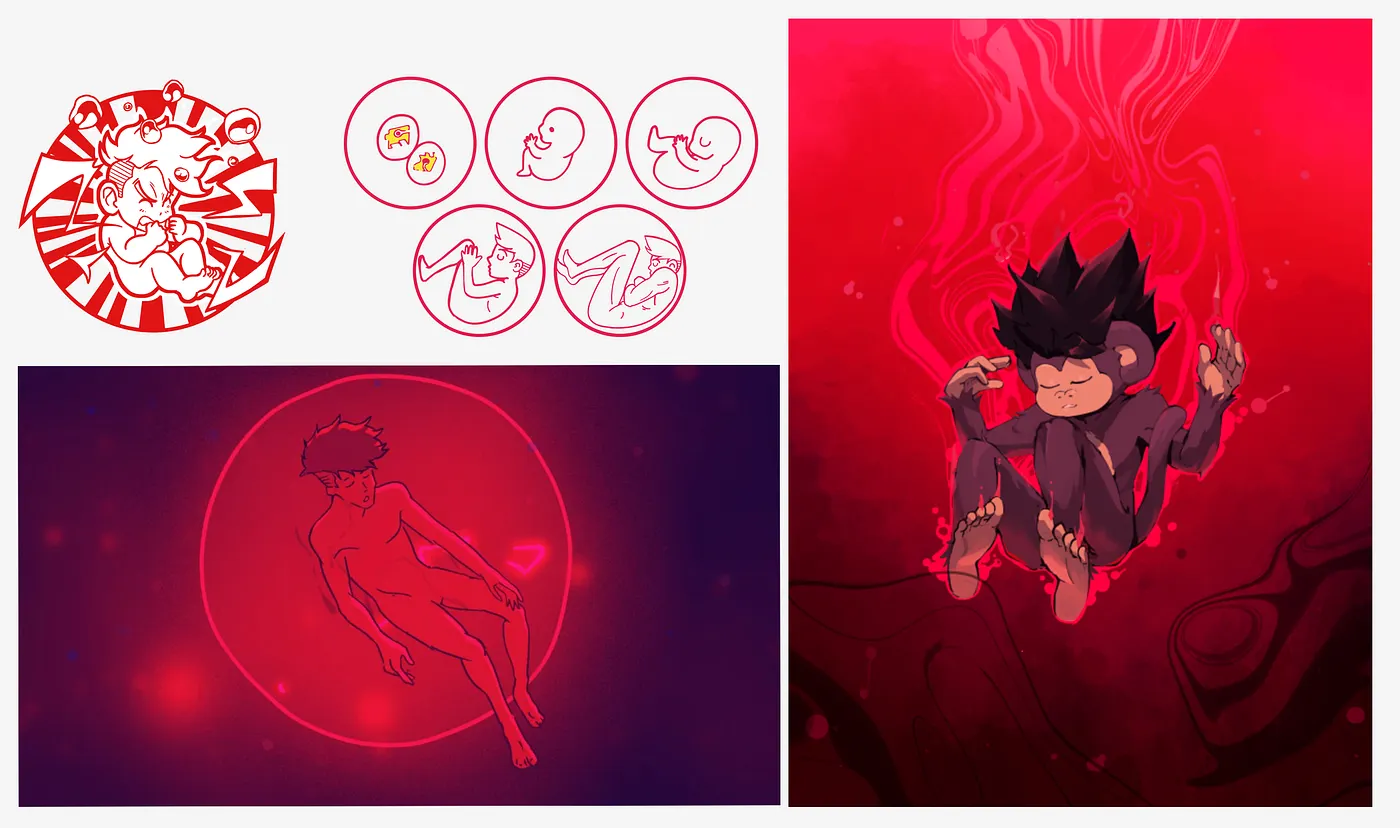
Left: Final Bosu extensive world building as reference. Right: Chimpers art, illustrated by Kem Tao
To integrate two worlds, we first ask: How can we honor each IP’s identity and still create a seamless blend? A perfect example that came to mind is Lego Batman. It isn’t “Batman with a Lego filter” or “Lego with Batman stickers” it’s a fully Lego universe that tells a Batman story. The characters, humor and themes all feel true to Batman, but everything is made of bricks.
For the RIP-PACKS, we took a similar approach:
All Chimps, all the time. Chimpers identities stay front and center, with every card featuring a Chimper character.
A Final Bosu journey. Each Chimper “dies” in their own world, is reborn by Metora (our mysterious body-creation device), then boards the Respawn Express and begin their Growth Path journey. That integration keeps every twist grounded in Final Bosu lore, even as Chimpers applies their own design style.
2. Licensing as Co-Creation, Not Just Permission
The best collaborations feel like joint creative workshops

Final Bosu Lore Map
On a trip to Tokyo last year, I was struck by how much licensed merch felt generic, your favorite anime character printed on low-quality goods you’d never choose otherwise. In contrast, Studio Ghibli gets involved at every step! Reviewing designs, advising on materials and ensuring each item tells a small part of their story. The result is merch you actually want to buy!
We didn’t just hand Chimpers a style guide and step back. Instead, we:
Built our lore bible, defining symbols, story arcs and progression rules.
Assembled asset toolkits (Figma board/visual lore-map) with every character, environment, element and icon.
Designed story-driven examples showing how to place Growth Path nodes, stage trials and drop Easter eggs.
Chimpers then used these materials to craft their card layouts, flavour text and rarity tiers. The result is a RIP-PACK that feels neither “just Chimpers” nor “just Final Bosu,” but an organic fusion of both teams’ strengths.

28 CARD RIP-PACK Illustrated by Kem Tao
When you combine world-building, co-creation, narrative mechanics, an ever-expanding toolkit and a clear roadmap, licensing becomes more than a logo swap. It becomes a way to extend your story into new formats and reach new fans. That’s the model behind Final Bosu × Chimpers. With every small step, our assets, case studies, and lore bible expand, bringing us closer to onboarding millions into the Final Bosu universe.